Applications
From farmland to rangeland
The products are widely used in farming, forestry, water conservancy and sand-land industries.
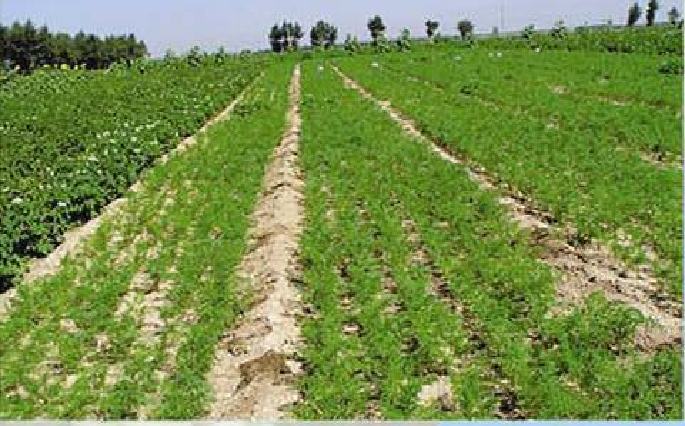
Field crops
The problem: Low rainfall and degraded soil hold less water and fertilizer, and yield and quality fall year after year.
Since 2007 the company has run demonstrations in more than ten counties across six cities of Inner Mongolia, on 15 crops including carrot, potato, sugar beet, maize and wheat. With the conditioner, yields rose 15–36% and water-use efficiency improved by more than 15% on average.
15–36%
yield gain
15+
crops tested
15%+
water-use efficiency
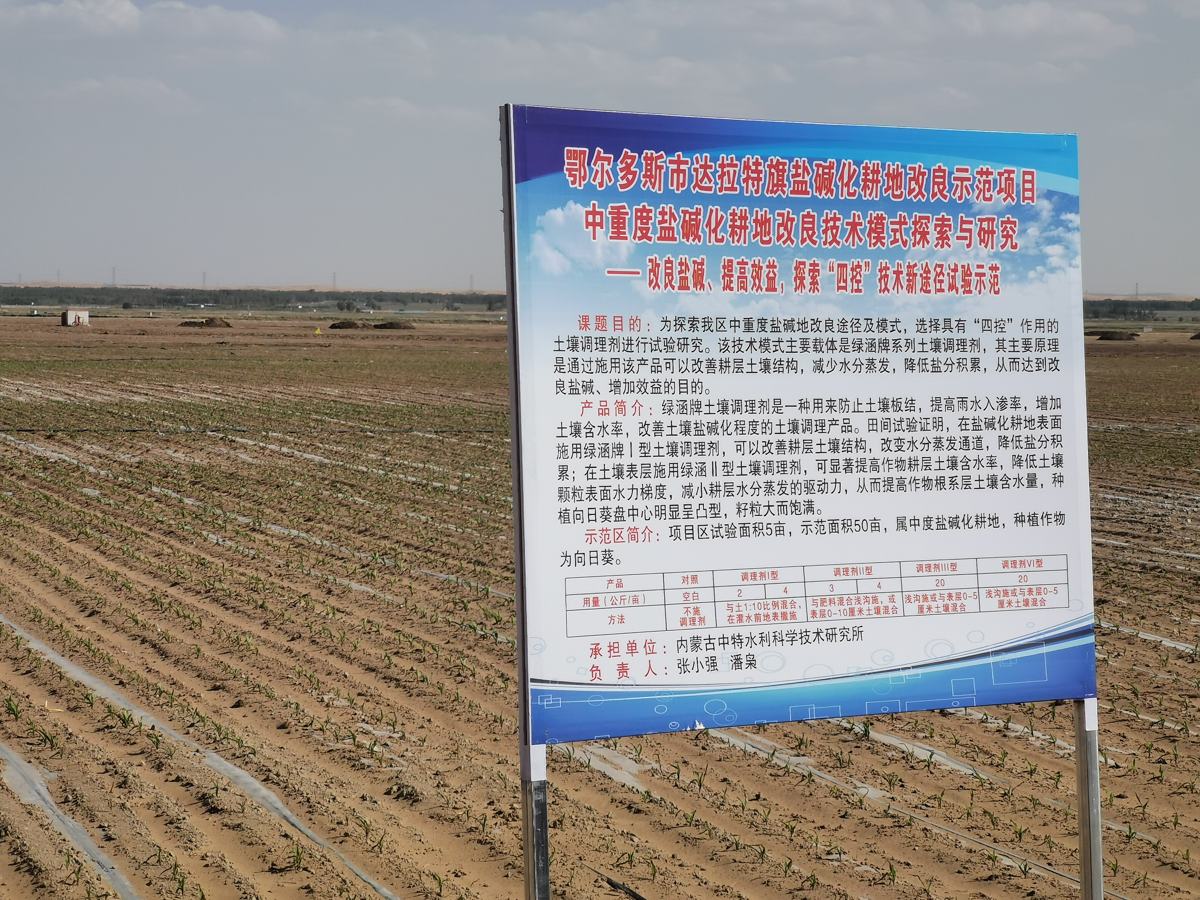
Saline-alkali soil
The problem: Saline farmland is heavy and poorly drained. Evaporation carries salt to the surface and crops struggle.
In the 50,000-mu saline-land project in Wuyuan County, Bayannur (2018–2020), Types I and II cut salt accumulation at 0–40 cm by 20% on heavily saline land after three years, and sunflower yield rose 15% on average. In a study on heavy saline soils in Dalad Banner, Ordos, infiltration and aeration improved significantly.
−20%
salt accumulation, 0–40 cm
+15%
sunflower yield
≈8,200 acres
project area
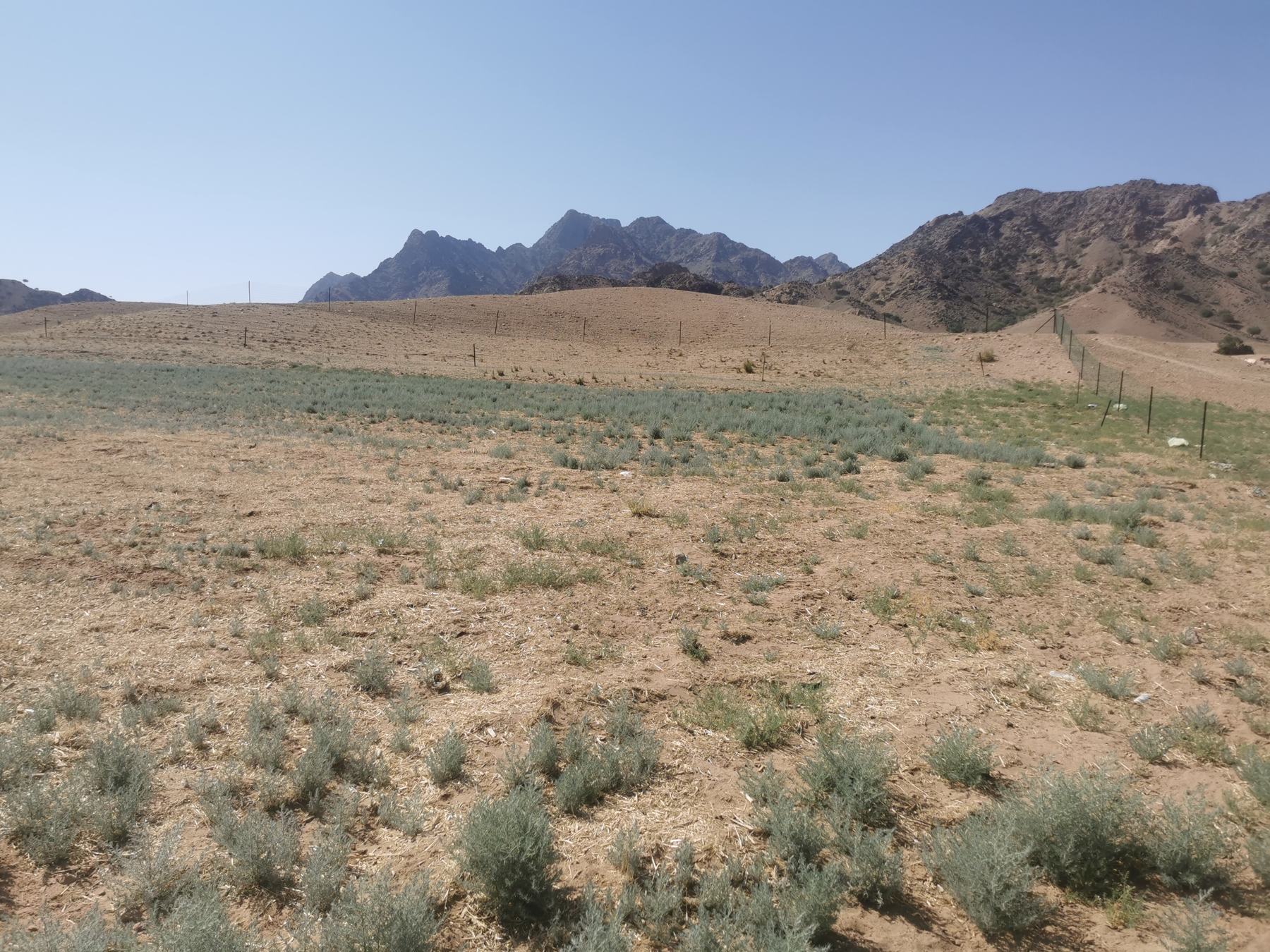
Rangeland restoration
The problem: Desert steppe mostly receives under 300 mm of rain. Soils are thin and hold little water, irrigation is costly and hard to scale, and planted shrubs often fail.
With the Inner Mongolia Forestry and Grassland Monitoring and Planning Institute and the Urad Rear Banner Forestry and Grassland Bureau, the company developed a water-retention method for restoring desert steppe. In Urad Rear Banner, water-holding capacity at 0–60 cm rose 70% on average, shrub survival improved by 20–28 percentage points, and natural grassland growth increased by more than 40%. The effect lasts at least three years.
+70%
water-holding capacity, 0–60 cm
+20–28
points of shrub survival
+40%
natural grassland growth
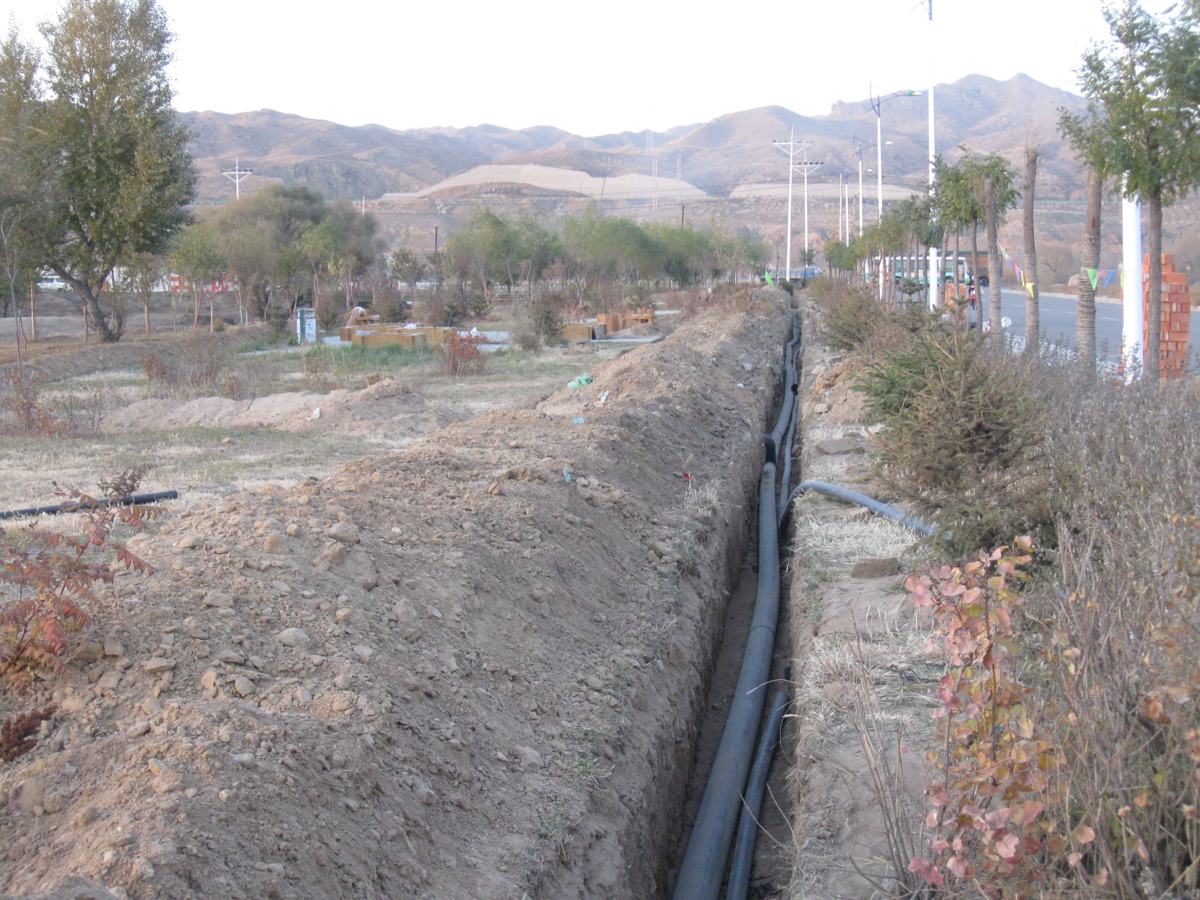
Forestry and landscaping
The problem: In dry regions, transplanted seedlings run short of water: survival is low, establishment is slow and aftercare is expensive.
The water-retaining polymer is used for seed coating, root dipping, planting-hole application, and trench or drilled-hole top-up around established trees. In an afforestation trial, survival rose from 71% to 90%. Transplant survival of young seedlings can improve by 10–30%, with a much shorter establishment period.
71→90%
afforestation survival
3–5
years of activity
20–30 g
per planted seedling
Wind-erosion control
The problem: Spring winds strip loose topsoil and seed, and each loss leaves the soil structure and water-holding capacity worse.
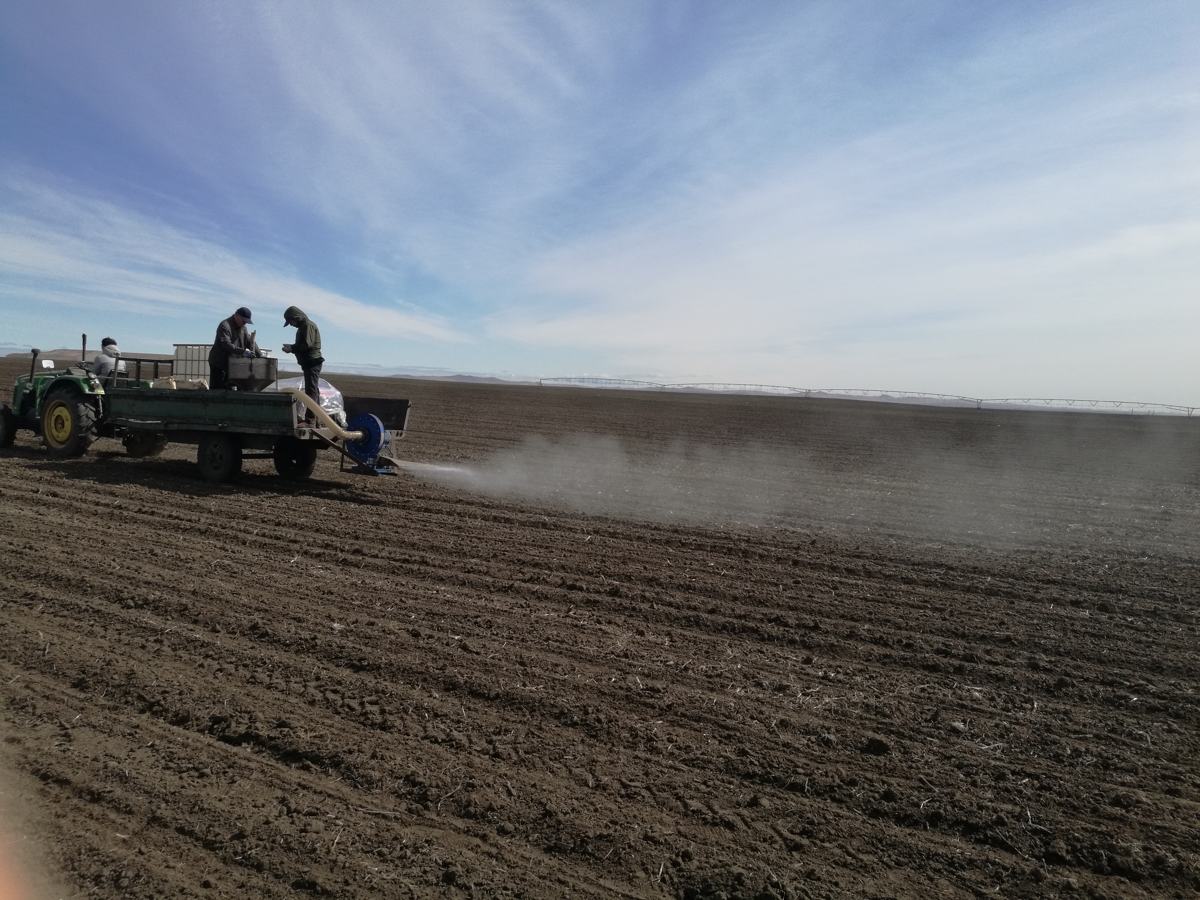
The conditioner binds loose particles into aggregates that resist wind. Soil erosion fell by 26% in demonstration areas. In 2016–2017 it was applied at the Xieertala state farm in Hulunbuir to tackle wind erosion in field-grown sugar beet.
−26%
soil erosion
2016–17
Hulunbuir demonstration
Mushroom growing
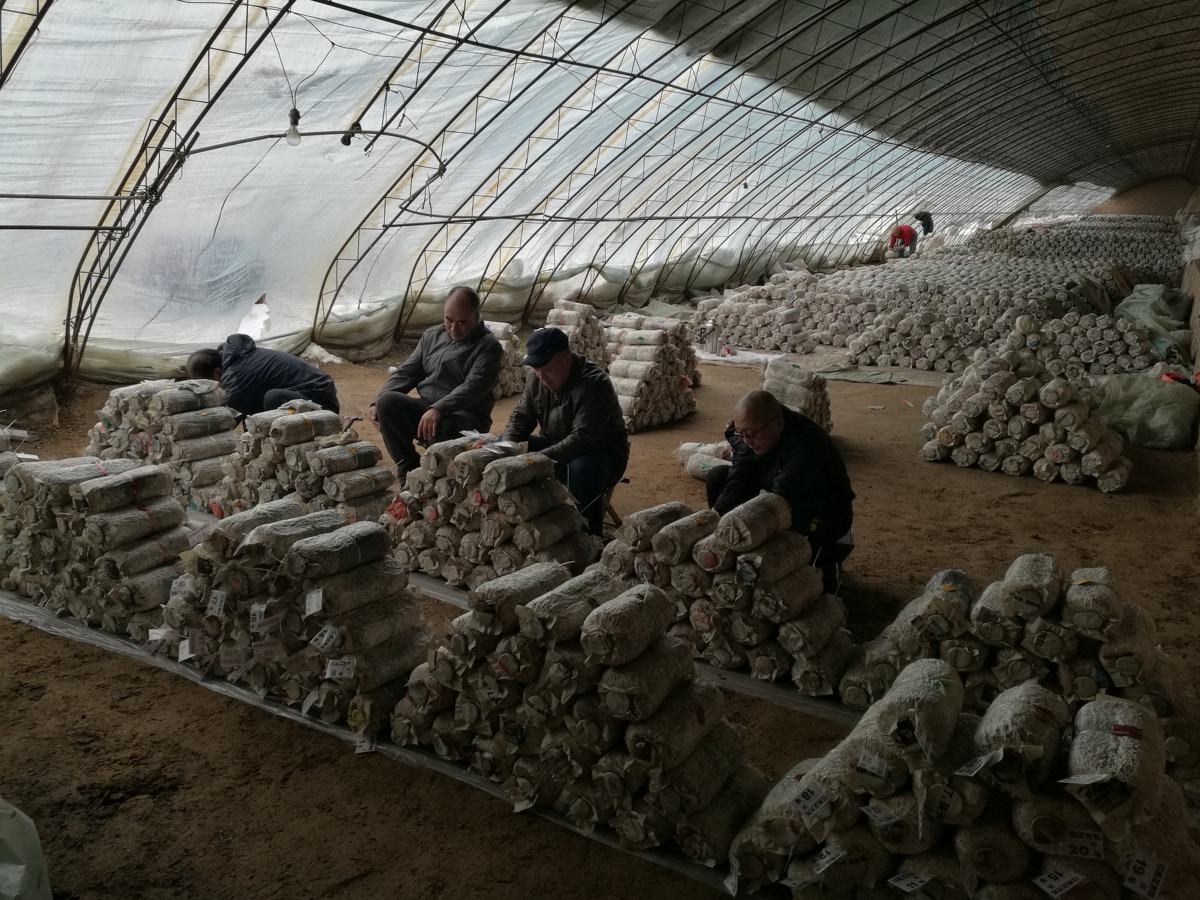
The problem: Substrate bags dry out late in the cycle, so growers inject, soak and spray repeatedly, which costs labour and invites contamination.
The company's research institute completed the Hohhot science and technology project on water-retention techniques for mushroom growing (2017–2019), developed compound formulas for oyster and nameko mushrooms, and fixed the key parameters: dosage, method and water volume.
+30%
average yield gain
15–50%
oyster-mushroom trials
2
compound formulas
Tell us about your soil and crop
Our technical team will recommend a product and rate for your soil, climate and planting method.